
GROWTH
Small changes, visible results.

Practical tips, expert advice and real routines for stronger, shinier, healthier hair.
EXPLORE ARTICLES →
A practical guide to frequency, consistency and what to realistically expect from red light therapy over time.

Simple scalp habits that support a cleaner, calmer environment for healthier-looking hair.

A smarter approach to breakage, heat damage and recovery — without turning your routine into ten steps.

How moisture, conditioning and styling habits work together to improve softness and visible shine.

Practical, uncomplicated guidance designed for real hair routines.
Small changes, visible results.
A complete guide to stronger, healthier strands.
Simple, effective and real.
What to look for (and avoid).

Everything you need to know — from washing and drying to styling and long-term care.
New articles, routines and exclusive tips.
A practical guide to frequency, consistency and what to realistically expect from red light therapy over time.
Red light therapy (RLT), also called photobiomodulation, is used in some at-home devices designed to support hair-growth routines. The useful habit is not doing more and more sessions — it is following the instructions for your specific device and staying consistent.
Consistency
beats intensity.
Results take time. A routine that is realistic enough to repeat is more useful than an aggressive routine you cannot sustain.

Red-light devices deliver specific wavelengths of light to the scalp as part of a non-invasive hair-care routine.
Device protocols are designed around repeated use over time. More frequent use is not automatically more effective.
Hair grows in cycles, so visible changes generally need time. Individual results vary.
Use the schedule recommended by your device manufacturer. This visual is an example of how a consistent routine can be spaced through a week.
RLT
SESSION
REST
RLT
SESSION
REST
RLT
SESSION
REST
REST
Do not increase session time or frequency beyond the instructions for your device in an attempt to speed up results.
AIM FOR CONSISTENCY,Early on, the main goal is consistency. Hair changes can be subtle and vary by person.
Some users may begin noticing changes over time, but there is no single timeline that applies to everyone.
If hair loss is persistent, sudden or worsening, speak with a qualified healthcare professional rather than relying on a device alone.

Keep the scalp clean and comfortable so the device can be used as intended.

Hair health is also influenced by overall nutrition and health; a light device is only one part of the picture.

Reduce unnecessary tension, friction and heat if breakage is part of your concern.

Hair routines require time. Avoid changing the protocol every few days because progress feels slow.

The more often you use it, the faster it works.
→More is not automatically better. Follow the device protocol.
You should see results almost immediately.
→Hair-growth changes take time and vary from person to person.
It works for every type of hair loss.
→Hair loss has many causes, so results and suitability vary.
It replaces the rest of your hair routine.
→It is better viewed as one possible part of a broader routine.
Red light therapy may be one option within a hair-growth routine, but the useful approach is consistent use according to the device instructions, realistic expectations and attention to overall scalp and hair health.
Hair loss can have many causes. This content is educational and is not medical advice. If you are experiencing sudden, persistent or concerning hair loss, speak with a qualified healthcare professional.
Simple scalp habits that support a cleaner, calmer environment for healthier-looking hair.
A healthy-looking scalp is the foundation of a strong hair routine. When the scalp feels clean, balanced and cared for, your routine has a better base to work from. The goal is not to over-treat it, but to build simple habits you can repeat consistently.
Healthy hair
starts at the scalp.
A balanced scalp does not happen overnight — small, consistent changes are what make the difference.

A clean, comfortable scalp helps create a healthier foundation for the rest of your hair-care routine.
Thoughtful cleansing and product use can help minimize visible buildup, excess oil and the feeling of dryness.
Caring for the scalp and lengths together creates a more complete, consistent approach to healthier-looking hair.

Dry or visibly flaky.

Product residue or congestion.

Sensitivity or visible irritation.

Hair looks greasy soon after washing.

Hair can look less dense over time.

Use a mild, scalp-friendly shampoo to remove oil and product buildup without over-stripping.

If your scalp tolerates it, occasional gentle exfoliation can help lift residue and dead skin.

Avoid piling on too many products. Choose a simple routine your scalp can tolerate consistently.

A few minutes of gentle scalp massage can make the routine feel relaxing without aggressive friction.

Healthy-looking results take time. Build a routine you can realistically repeat.

Often used in scalp formulas designed to help lift oil and buildup.

A common skin-care ingredient used in formulas focused on barrier support and balance.

Frequently included in cleansing scalp products for a fresh, clean-feeling routine.

Used in cosmetic formulas designed to support a conditioned, healthier-looking scalp environment.

A humectant commonly used to help support moisture and comfort.
Scalp care does not need to be complicated. Focus on gentle cleansing, avoiding unnecessary buildup, choosing products your scalp tolerates and staying consistent. If you have persistent itching, pain, scaling, sores or sudden hair loss, speak with a qualified healthcare professional.
A smarter approach to breakage, heat damage and recovery — without turning your routine into ten steps.
A simpler approach to dryness, breakage and everyday damage — focused on the few habits that actually matter.
Damaged hair does not need a ten-step routine. The useful approach is to reduce ongoing stress, improve conditioning and protect vulnerable lengths while healthier hair grows.
Repair less.SIMPLE CARE.
Protect more.

Frequent high-temperature styling can leave hair feeling drier, rougher and more fragile.
Bleaching, coloring and chemical services can increase vulnerability through the lengths.
Aggressive brushing, friction and tight styles can contribute to everyday breakage.
Sun, chlorine and salt water can make already-fragile hair feel drier and harder to manage.
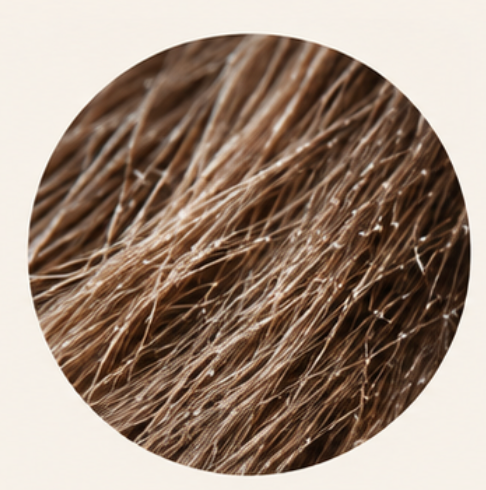
Short pieces and uneven lengths.
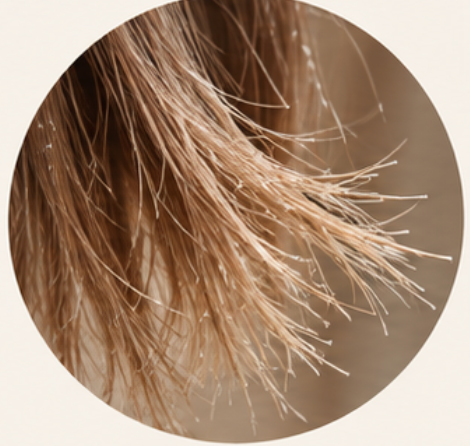
Ends appear frayed or separated.
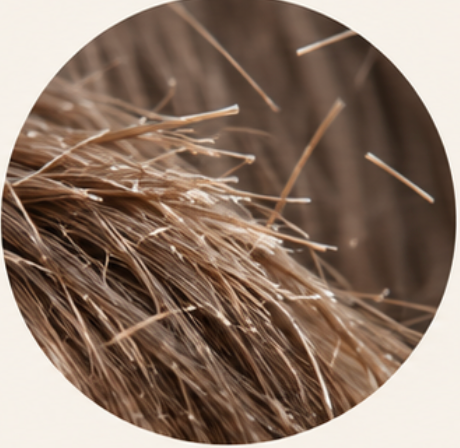
Hair feels coarse instead of smooth.
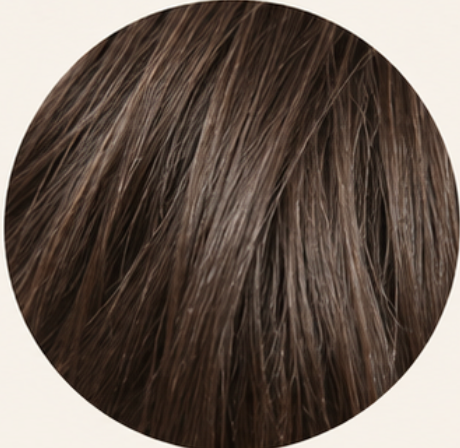
Lengths knot more easily than usual.
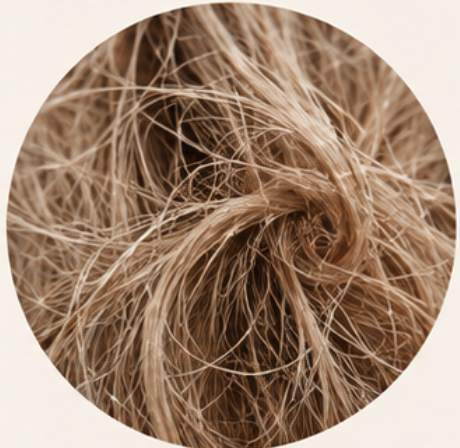
Hair feels stiff, dry or difficult to manage.
Use a gentle cleanser and focus shampoo primarily on the scalp.
Condition the lengths consistently to improve softness, slip and manageability.
Use strengthening, bond-supporting or conditioning treatments according to your hair needs.
Apply heat protection and avoid unnecessarily high temperatures.
Detangle gently, reduce friction and avoid styles that create excessive tension.

Conditioning formulas can help hair feel smoother, softer and easier to detangle.
Protein or bond-focused care can be useful for some damaged hair, but balance matters.
Avoid passing very hot tools over the same section again and again.
Work gently from the ends upward instead of pulling through knots.
Give hair breaks from styles that create unnecessary tension.
More products do not automatically mean more repair.
Used in formulas designed to improve the feel of fragile, damaged hair.
Help support the cuticle and improve moisture retention.
Common conditioning ingredients used to support softness and resilience.
Helps condition, soften and improve manageability.
Help reduce friction and leave the surface feeling smoother.
Products can help damaged hair feel smoother and easier to manage, but the biggest improvement often comes from reducing repeated stress. Condition well, use treatments intentionally, protect from heat and handle fragile lengths gently while healthier hair grows.
How moisture, conditioning and styling habits work together to improve softness and visible shine.
Hydration and shine are often confused, but they are not the same. Hydration is about helping hair maintain moisture and flexibility, while shine is the visible result of a smoother, well-cared-for surface. In practice, the two often work best together.


Hydration is about keeping hair from feeling overly dry and brittle. Well-conditioned hair usually feels softer, moves more easily and is less likely to feel rough through the lengths.
KEY BENEFITS
Shine is a visual result. Hair tends to look shinier when the outer surface is smoother and reflects light more evenly. Conditioning, gentle styling and lightweight finishing products can all contribute.
KEY BENEFITS
Feels rough or brittle.

Looks puffy and harder to manage.

Lacks natural-looking shine.

Ends look dry or damaged.

Knots easily and feels less smooth.

Use a gentle cleanser that removes buildup without leaving the lengths feeling stripped.

Use conditioner through the lengths to improve softness, slip and manageability.

Add a mask or leave-in treatment when your hair needs extra conditioning and softness.

Use heat thoughtfully and protect the hair when styling to help maintain a smoother finish.

Finish with a lightweight oil or serum on the lengths when you want a smoother, shinier look.

When you focus on moisture, gentle care and products that suit your hair, you can help improve both softness and visible shine. The goal is not a complicated routine — it is a balanced one you can repeat consistently.
Practical, uncomplicated guidance designed for real hair routines.
Smart habits that help reduce breakage, prevent everyday damage and keep hair looking healthier for longer.
Healthy, resilient hair isn’t just the result of one product — it’s the result of daily care. Heat styling, chemical services, friction and environmental stress can challenge hair over time. Building strength means nourishing the hair while also protecting it every day.
Protection is what
preserves strength.

High temperatures can make hair more fragile and prone to breakage over time.
Color, lightening and chemical treatments can weaken the hair structure.
Brushing, tight hairstyles and rough fabrics can contribute to everyday breakage.
UV exposure, chlorine, pollution and weather can leave hair dry and fragile.
Shorter hairs and uneven lengths.
Frayed, splitting ends.
Feels dry, coarse or brittle.
Knots easily, even after washing.
Lacks shine and looks tired.
Use a mild shampoo that cleans without stripping essential moisture.
Keep hair hydrated and smooth with conditioner after every wash.
Apply before styling to help shield hair from high temperatures.
Use a wide-tooth comb, softer hair ties and smoother fabrics when possible.
Use a strengthening or bond-supporting treatment when it suits your routine.

Conditioning and strengthening ingredients help hair feel more resilient over time.
Heat protection, lower friction and environmental care help defend hair from avoidable stress.
A stronger routine is not about adding more steps. It is about reducing unnecessary damage and repeating a few useful habits consistently.
Help reinforce and strengthen the feel of hair.
Help support the cuticle and moisture retention.
Support conditioning and improve the feel of elasticity.
Helps hydrate, soften and improve resilience.
Help smooth and reduce friction without weighing hair down.
Stronger, healthier-looking hair comes from a combination of gentle care, nourishing ingredients and everyday protection. Small, consistent habits can make a lasting difference and help hair stay resilient over time.

Small changes, visible results.
Healthier, stronger-looking hair is usually built through simple, repeatable habits — not quick fixes.
Hair growth is influenced by more than one thing. These are three of the most useful foundations to focus on.
Keeping the scalp clean and comfortable supports a better foundation for your routine.
Protecting the lengths helps you retain more of the hair you grow over time.
Balanced nutrition, adequate protein and overall health all influence how hair grows and feels.

A healthy scalp is one part of the foundation for healthier-looking hair.
Small, consistent choices can add up to stronger, healthier-looking hair over time.

A clean scalp helps reduce buildup and keeps your routine focused on a comfortable, healthy-looking scalp environment.

Frequent high heat can weaken the hair fiber. Use lower temperatures and heat protection when you style.

Hair is largely protein. A balanced diet that meets your nutritional needs supports normal hair growth and overall health.

Repeated tension can contribute to breakage. Choose looser styles and give your hair regular breaks.

Trimming does not make roots grow faster, but removing heavily split ends can help prevent further splitting and keep lengths looking healthier.

Work from the ends upward, use tools that suit your hair and avoid pulling aggressively through knots.

Hair routines work best when they are realistic enough to repeat. Visible change is gradual, so consistency matters more than chasing constant quick fixes.
Even with good intentions, some habits can make it harder to retain healthy-looking length.
Scalp hair commonly grows around 1 cm per month on average, but the rate varies by person. What you often notice first is less breakage, improved softness and better length retention.
“More products = faster growth.”
Consistent, appropriate care matters more than the number of products you use.

Stronger, healthier-looking hair does not come from one product or a quick fix. Focus on scalp care, balanced nutrition, protecting the lengths, reducing unnecessary damage and staying consistent with a routine you can actually maintain.
A complete guide to stronger, healthier strands.
Hair can’t be fully “healed” like living tissue, but it can look and feel dramatically better with the right routine, regular trims and daily protection. This guide focuses on restoring softness, improving manageability and preventing additional damage.
READ ON ↓ From
To
From
To“Recovery is less about perfection, more about protection and consistency.”A HEALTHIER MINDSET
Everyday habits and environmental factors can leave hair feeling dry, fragile and dull. Understanding the causes helps you make better choices.

Repeated high heat can weaken the hair structure and increase dryness.

Color, bleach and chemical services can leave the fiber more vulnerable.

Tight styles, harsh brushing and rough drying can contribute to breakage.

UV, chlorine, salt water and weather can make already-fragile hair feel worse.
If you notice one or more of these signs, your hair may need a little extra care.


A simple, consistent routine can make a visible difference.

Use a gentle cleanser that removes buildup without leaving lengths stripped.

Replenish softness and slip with a richer conditioning treatment when needed.

Help seal, smooth and protect fragile lengths between washes.

Use lower temperatures, heat protection and gentler styling habits.

Remove split ends when needed and focus on prevention between trims.
Look for conditioning and strengthening ingredients that suit your hair.

Support the cuticle and help improve moisture retention.

Used in formulas designed to improve the feel of weakened hair.

Nourishes, smooths and can help reduce friction through the lengths.

Helps condition, soften and improve manageability.

Commonly used to support conditioning and a smoother hair feel.
Let’s clear up some common misconceptions.
One mask can fix severe damage overnight.
→ FACTImprovement comes from repeated care and reducing further damage over time.
More oil always means more repair.
→ FACTOils can smooth and protect, but they do not rebuild every type of hair damage.
Healthier-looking hair takes time, but progress is possible.


Simple, effective and real.
Healthy, beautiful hair is not about doing more — it is about doing what works, consistently. Here is a simple morning and evening routine designed to support smoother, softer and more manageable hair.
EXPLORE HAIR ROUTINE ESSENTIALS → HEALTHY
“A good routine doesn’t need to be complicated — it just needs to be consistent.”
Helps reduce unnecessary heat, friction and environmental stress.
Gives your hair a chance to rest while conditioning and protective habits do their work.
Consistent detangling, conditioning and protection can reduce everyday stress.

Use a gentle wash or refresh depending on your routine.

Support softness and make detangling easier.

Start at the ends and work upward with patience.

Protect lengths before blow-drying or hot tools.

Add shine and softness without overloading the roots.

Use gentler fabrics, accessories and everyday styling habits.

Remove tangles gently before bed without aggressive pulling.

Use richer conditioning care when your hair benefits from it.

Reduce movement and tangling without tight tension.

Smoother fabrics may help reduce friction against the hair.

Wet hair can be more vulnerable to stretching and breakage.

Use lightweight care and avoid heavy layers near the roots.

Prioritize conditioning, gentle styling and protection.

Focus on hydration, gentle handling and low-friction styles.

Use gentler cleansing and protect from excessive heat and UV.

Can leave hair feeling coated or heavy.

Excess friction can contribute to frizz and breakage.

Use lower settings and protect hair before hot tools.

Constant tension can stress fragile lengths and edges.
A simple AM and PM routine can support softer, smoother and more manageable hair. The goal is not perfection — it is consistent care, fewer unnecessary stressors and products that make sense for your hair.
EXPLORE HAIR ROUTINE ESSENTIALS →What to look for (and avoid) in hair care products to get real, visible results.
READ THE ARTICLE →
With so many products and promises, it can be hard to know what really works. The right ingredients can make a meaningful difference in the way hair feels, behaves and looks — while the wrong ones can weigh it down or leave it feeling dry.
The goal is not to chase every trend. It is to understand which ingredients fit your hair, your scalp and the result you want.


A humectant used in formulas designed to help support moisture and softness.

Often used in scalp-care formulas focused on balance and barrier support.

Help support the cuticle and improve the feel of dry or rough lengths.
Common in cosmetic formulas designed to support stronger, healthier-looking hair.
Frequently included in cleansing scalp products for a fresh, clean-feeling routine.

Can feel overly stripping for some hair types or routines.
Some formulas can coat the hair and make it feel weighed down over time.
Protein-focused care is not automatically better for every head of hair.
Certain formulas may leave already-dry hair feeling rougher or less flexible.
Can be irritating for some sensitive scalps; individual tolerance varies.
Understanding what is in your hair-care products helps you make smarter choices. Look for formulas that match your actual needs, build a routine you can repeat consistently and pay attention to how your hair and scalp respond.
SHOP HAIR CARE ESSENTIALS →
 REAL HAIR
Everything you need to know — from washing and drying to styling and long-term care.
READ THE ARTICLE →Stronger, shinier, more resilient-looking hair does not happen overnight. It is the result of consistent care, suitable products and a few simple habit changes. This guide brings together the foundations you can adapt to your own hair type and lifestyle.

Keep the scalp clean and comfortable without over-stripping the lengths.

Use conditioning care to support softness, slip and manageability.

Choose targeted treatments according to your actual hair needs.

Reduce unnecessary heat, tension and friction whenever possible.

Small adjustments to drying, styling, sleeping and handling can help your hair feel smoother, stronger and easier to manage over time.
Less friction and pulling can mean less breakage.
Conditioning supports softness and flexibility.
Choose lower temperatures and use heat protection.
Lower-friction habits can reduce unnecessary stress.
Hair care works best when good habits become routine.

Used in moisturizing formulas to support softness and hydration.

Help support the cuticle and improve the feel of dry hair.

Helps smooth, soften and reduce friction through the lengths.

Common in cosmetic formulas for stronger, healthier-looking hair.

Frequently used in cleansing scalp products for a fresh, balanced feel.